

Long before a tyre reaches the road, it has already passed through a far more complex process than what can be seen from the outside.
Whether the materials meet design requirements, whether production remains consistent, and whether the finished structure is uniform—all these factors influence the tyre’s final performance. For ZETA, quality is not defined by a single inspection at the end of production. It is built through a complete process that begins with research and validation and continues until the finished tyre leaves the production line.
Starting with Material Validation
Traction, durability, handling and ride comfort all rely on the performance of the tyre’s material system. Before a product enters production, its materials and design solutions are evaluated through R&D validation and laboratory testing, providing a reliable basis for manufacturing.
Through material testing and performance simulation, technical teams can assess how different solutions may perform under their intended operating conditions and continue refining the product based on test results. Stable road performance does not begin with final inspection—it is developed from the earliest stages of product development.
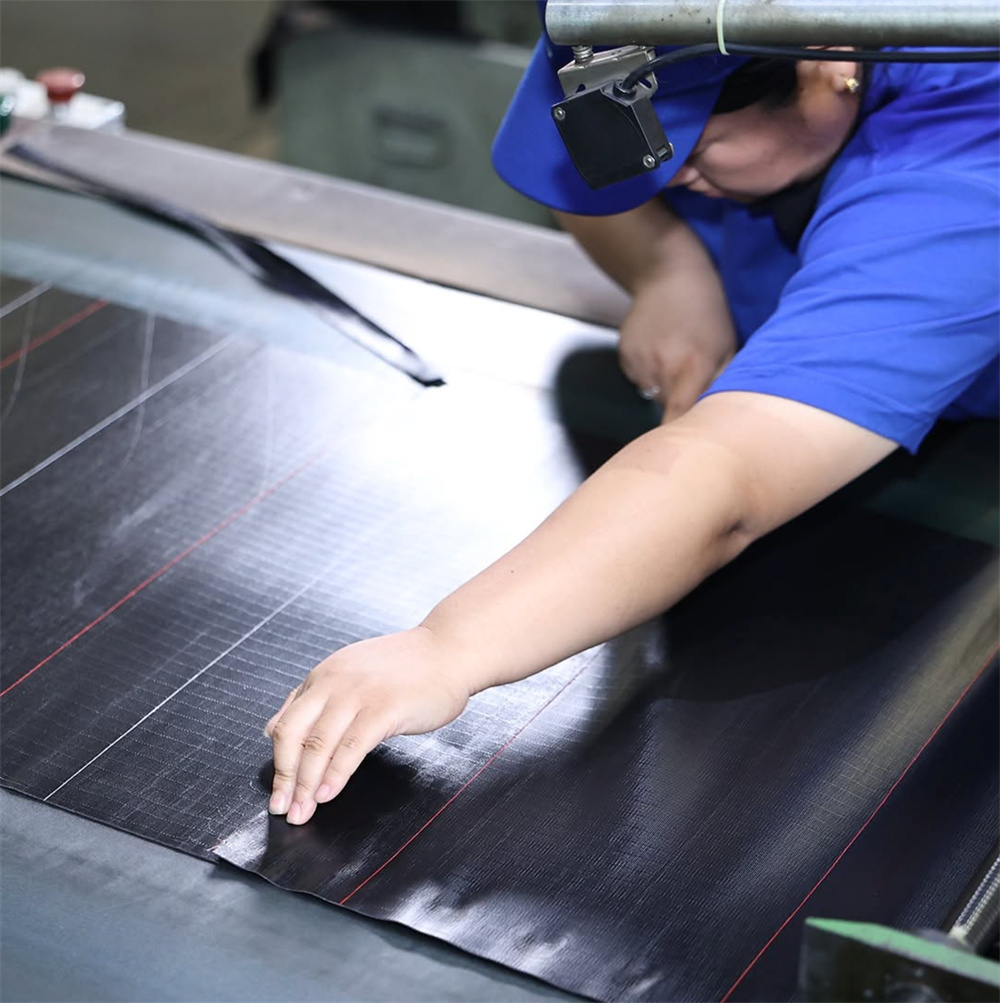
Standardised Manufacturing Turns Design into Product
A validated product design must then be translated into a finished tyre through a consistent manufacturing process.
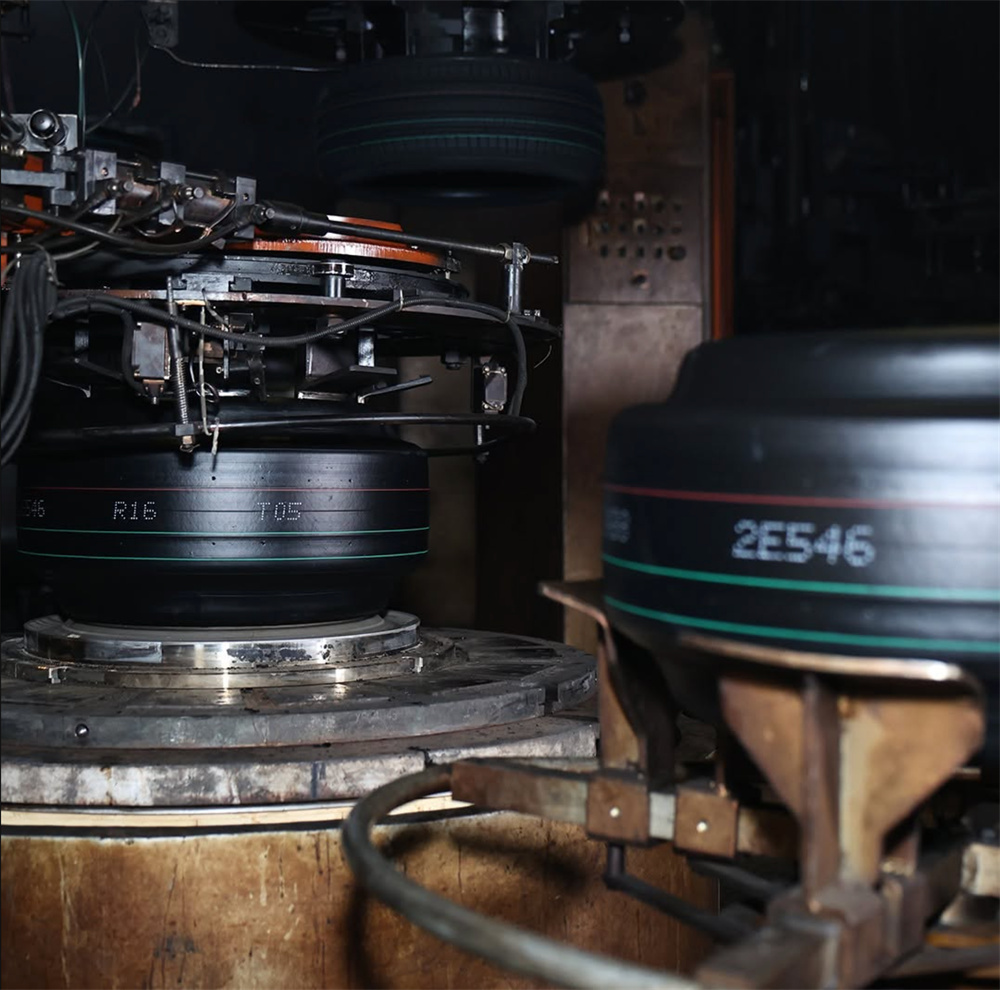
Within ZETA’s manufacturing system, every stage—from component preparation and tyre building to curing—is carried out according to defined process requirements. Automated equipment works alongside process control systems to improve production accuracy and reduce variation between batches.
Manufacturing capability is not measured by efficiency alone. More importantly, it ensures that the original product design is accurately and consistently reproduced in every tyre.
Multiple Inspections for Visible and Hidden Details
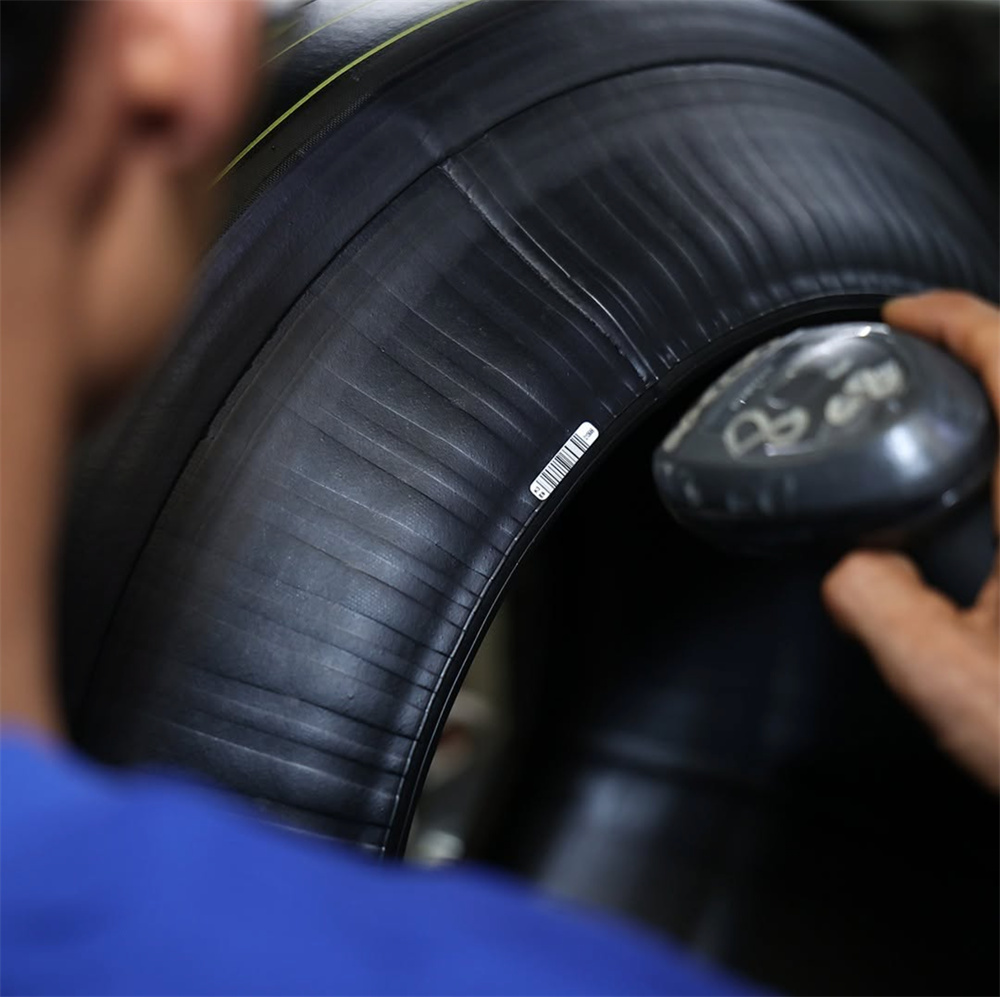
Once production is complete, each tyre must pass through several inspection stages.
X-ray inspection helps examine the tyre’s internal structure. Balance testing evaluates its rotational balance, while uniformity testing focuses on consistency under load and during operation. Inspectors also examine the tyre’s appearance and key details to confirm that it meets the relevant quality requirements.
Each inspection addresses a different aspect of the product, but they all serve the same purpose: identifying and controlling factors that could affect performance before the tyre enters the market.
Quality Is a Process, Not Just a Promise
From laboratory material validation and production-line process control to multiple inspections of the finished tyre, ZETA integrates quality management into every stage of manufacturing.
A single inspection cannot represent a complete quality system. Only when research, manufacturing and testing work together continuously can product performance be built on a more consistent foundation.
For ZETA, reliability is more than a marketing statement. It is reflected in every process, every inspection and every product verification.


